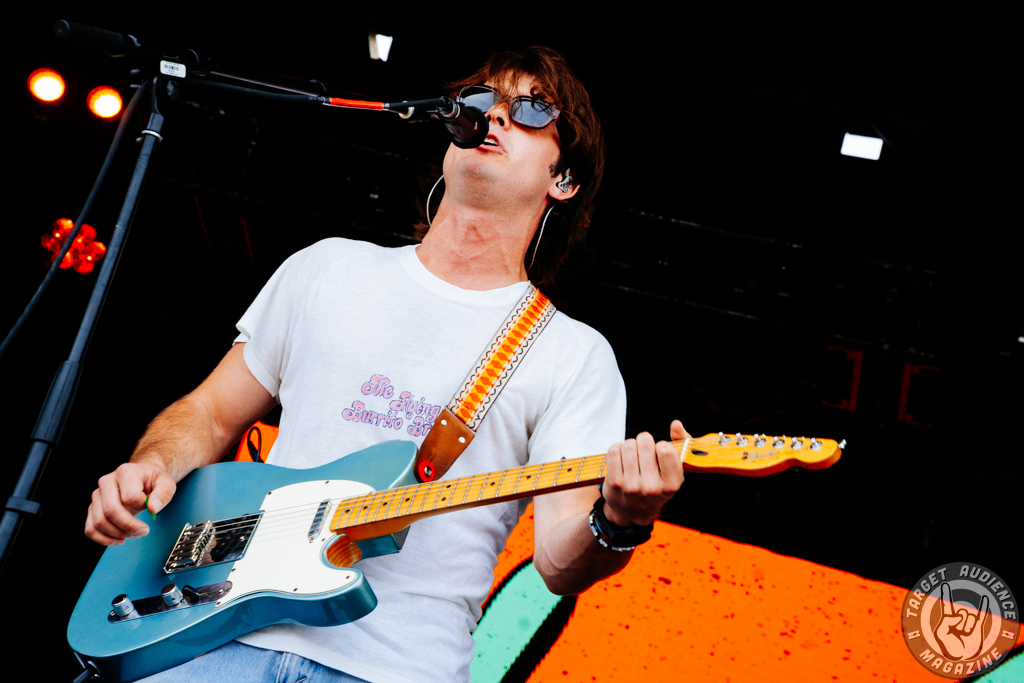
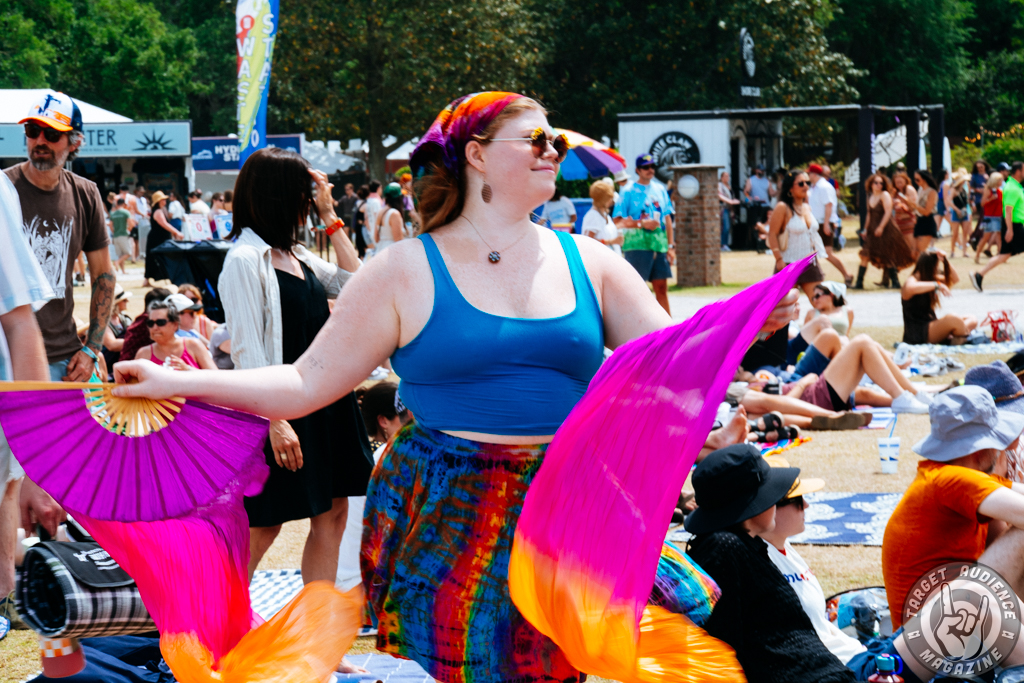
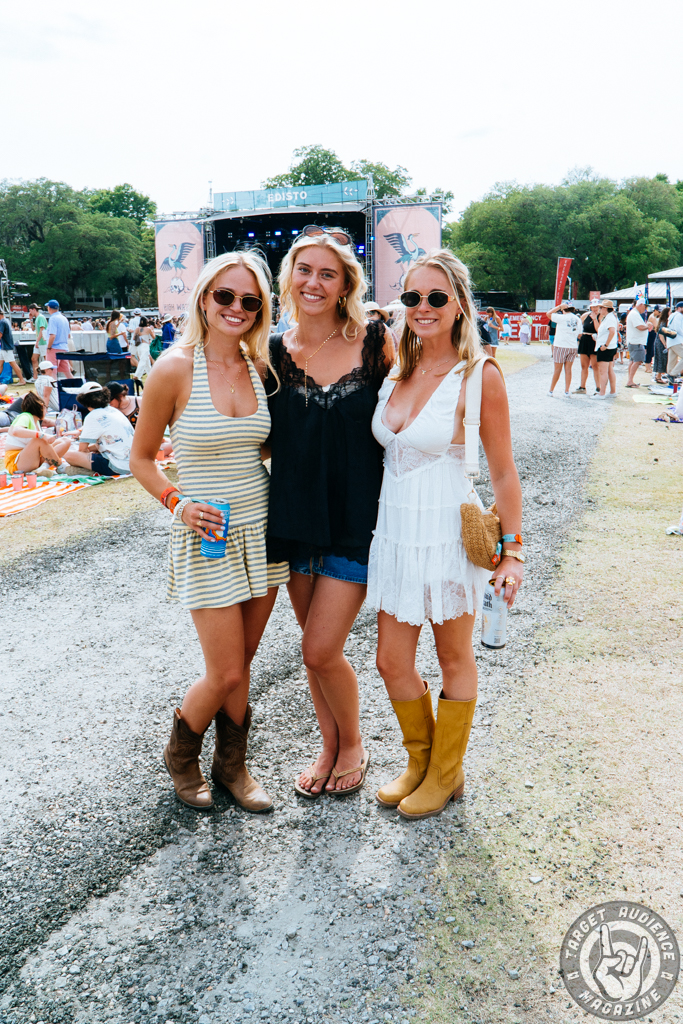
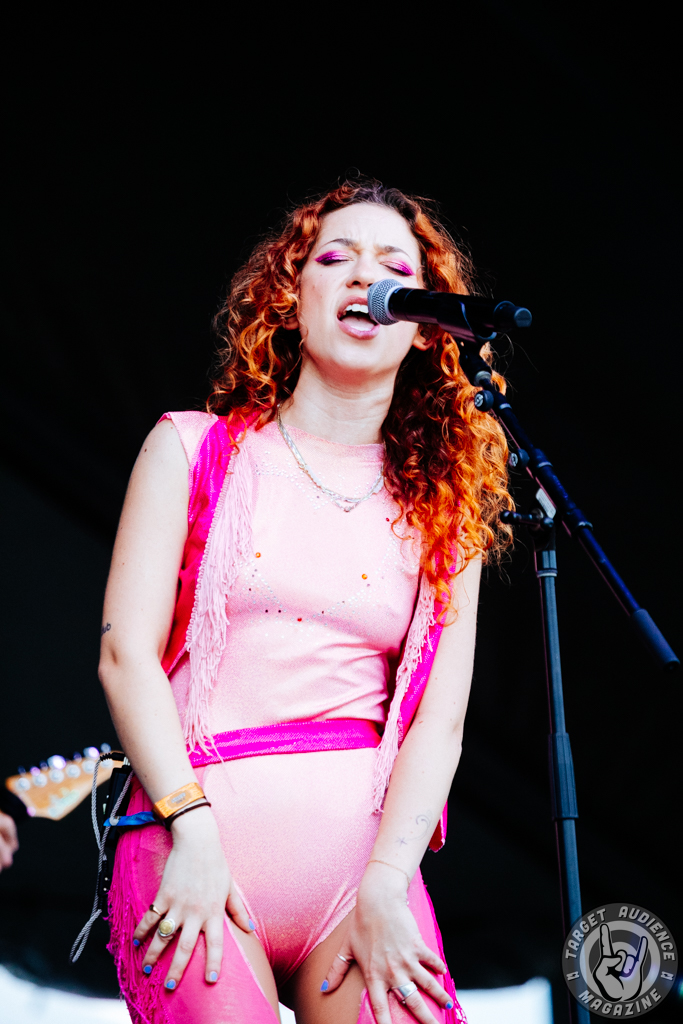
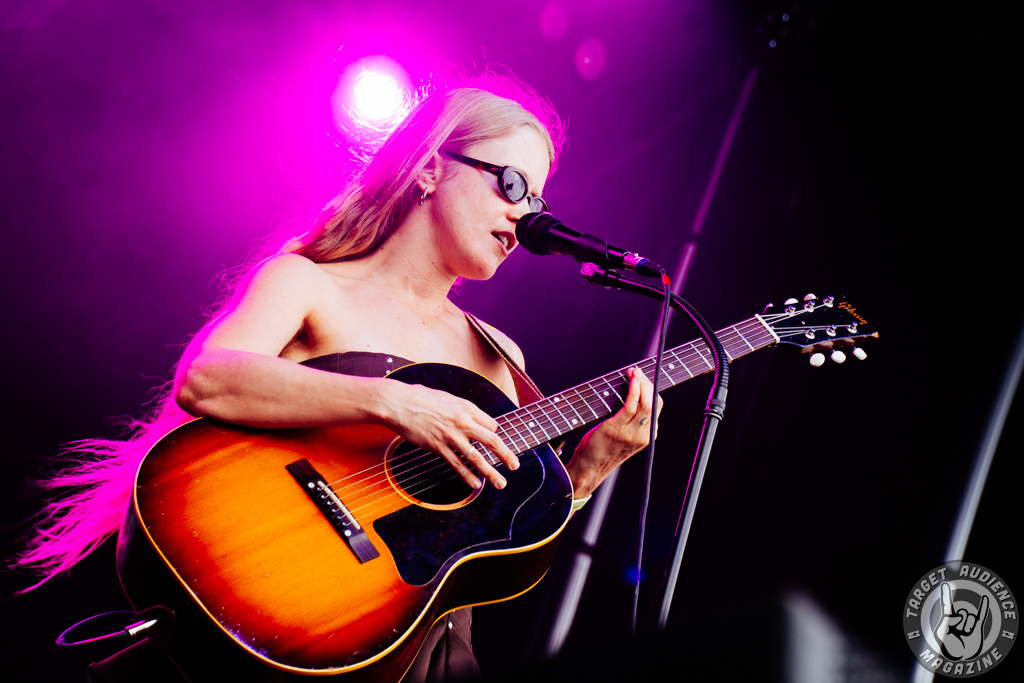
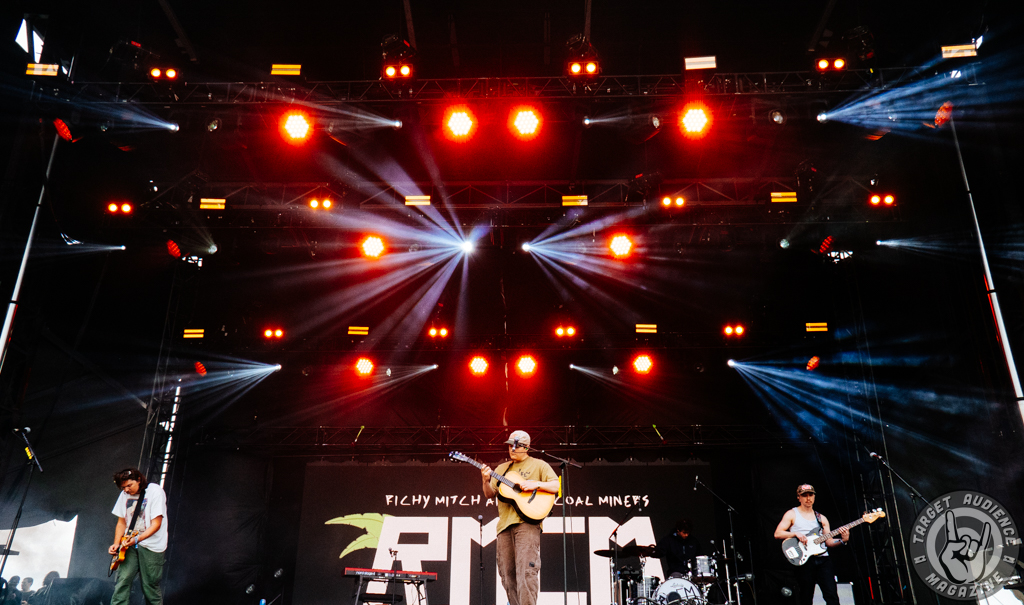
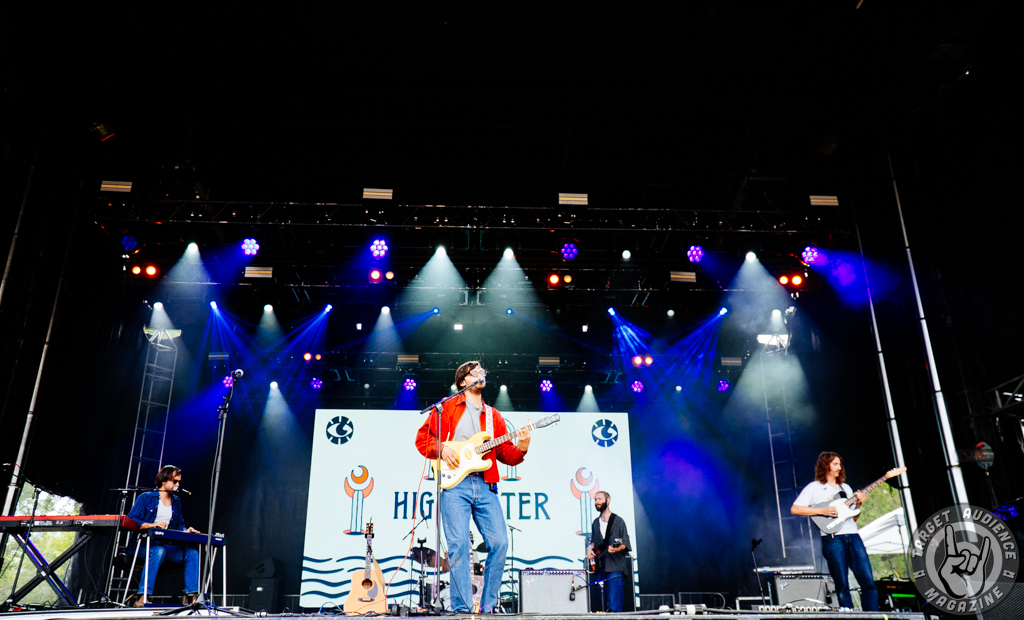
High Water Festival felt less like a traditional music festival and more like a temporary coastal community built around music, memory, and escape. Set against the backdrop of Riverfront Park in North Charleston, the two-day festival unfolded beside the water beneath perfect spring skies, balancing sprawling festival energy with an intimacy that made even the largest moments feel personal. For a first-time attendee, it was difficult not to understand why so many people return year after year.
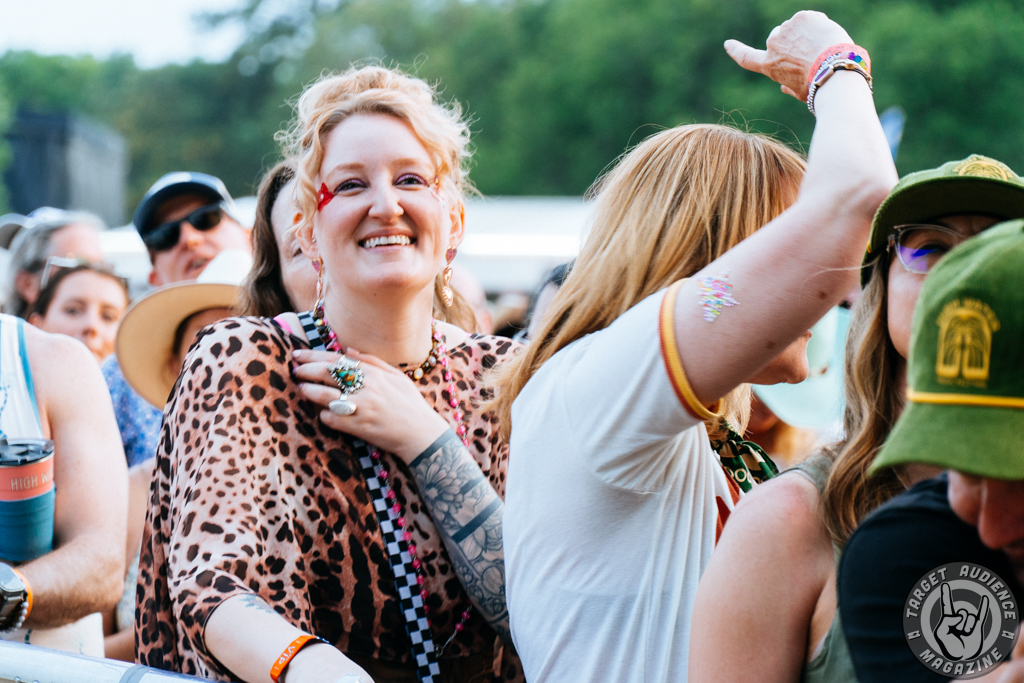
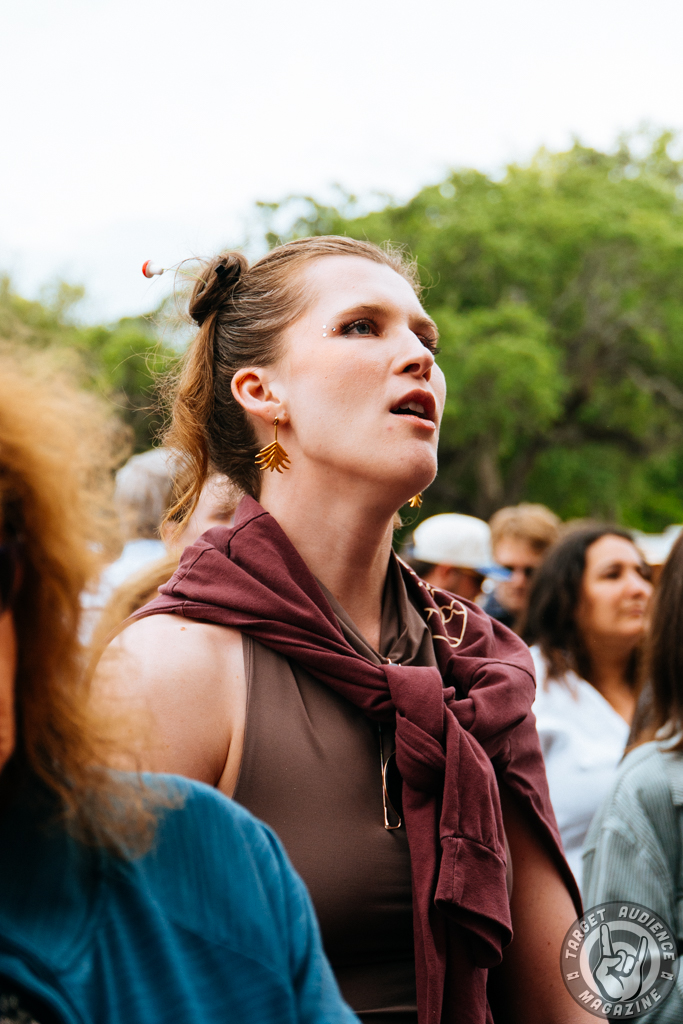
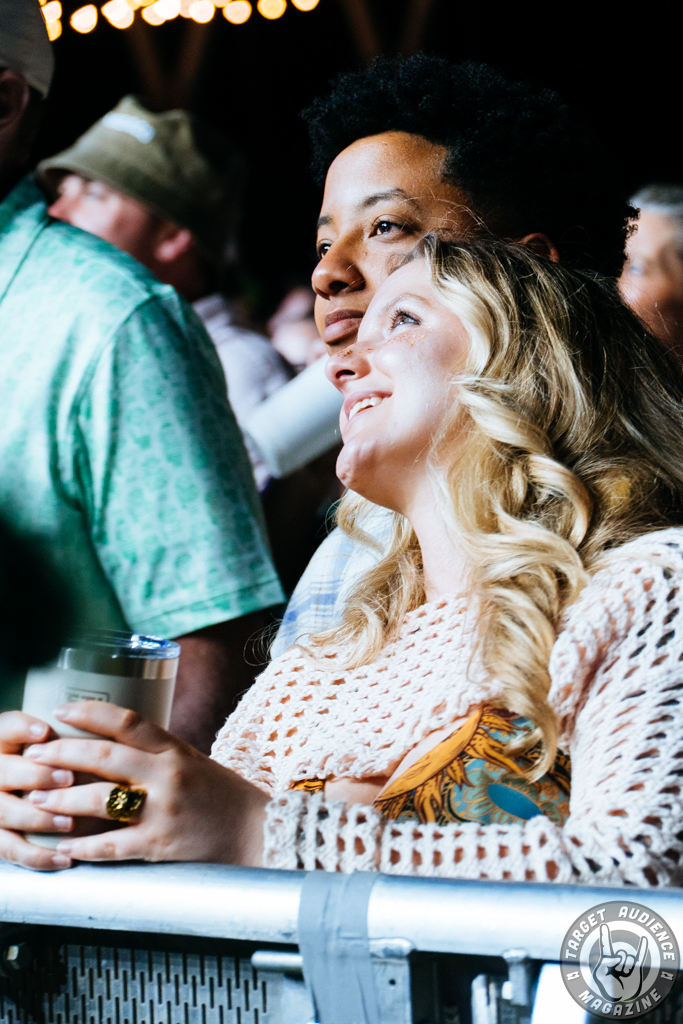
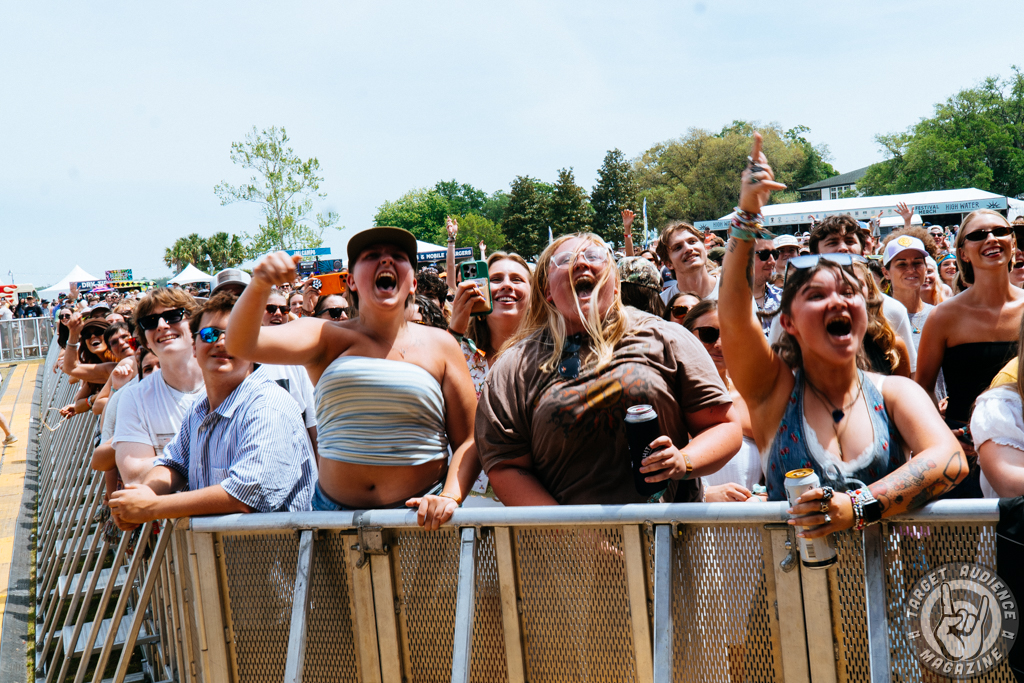
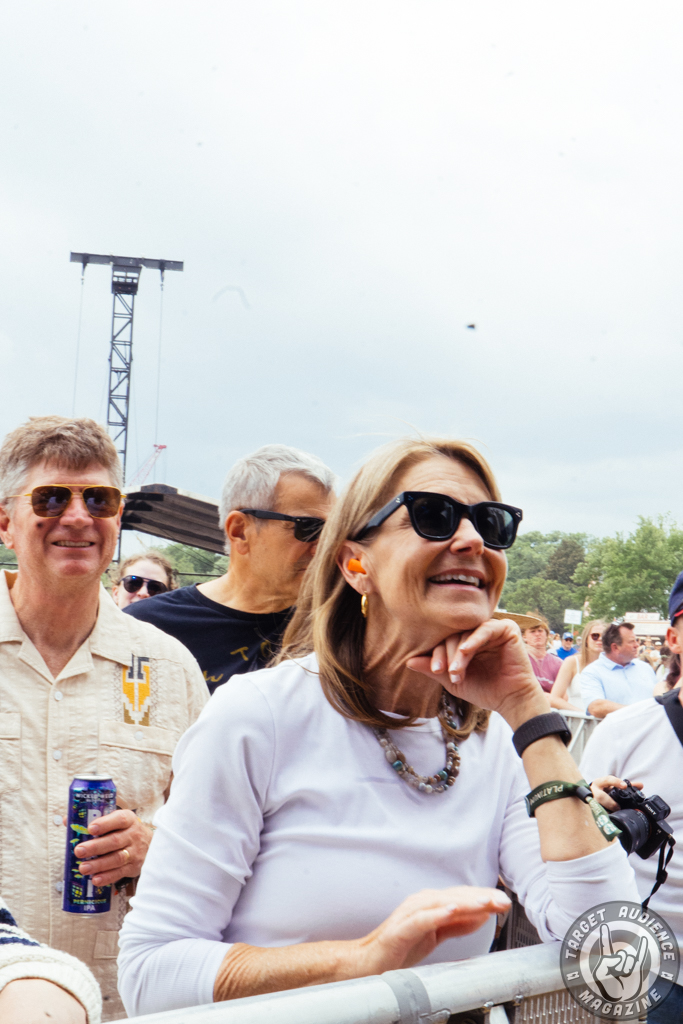
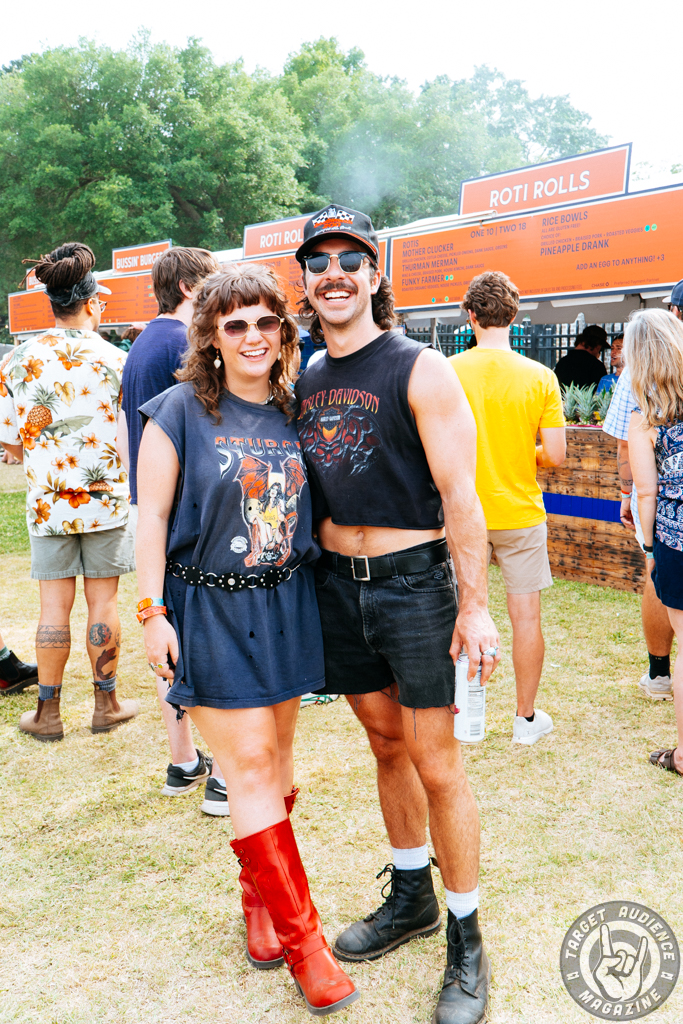
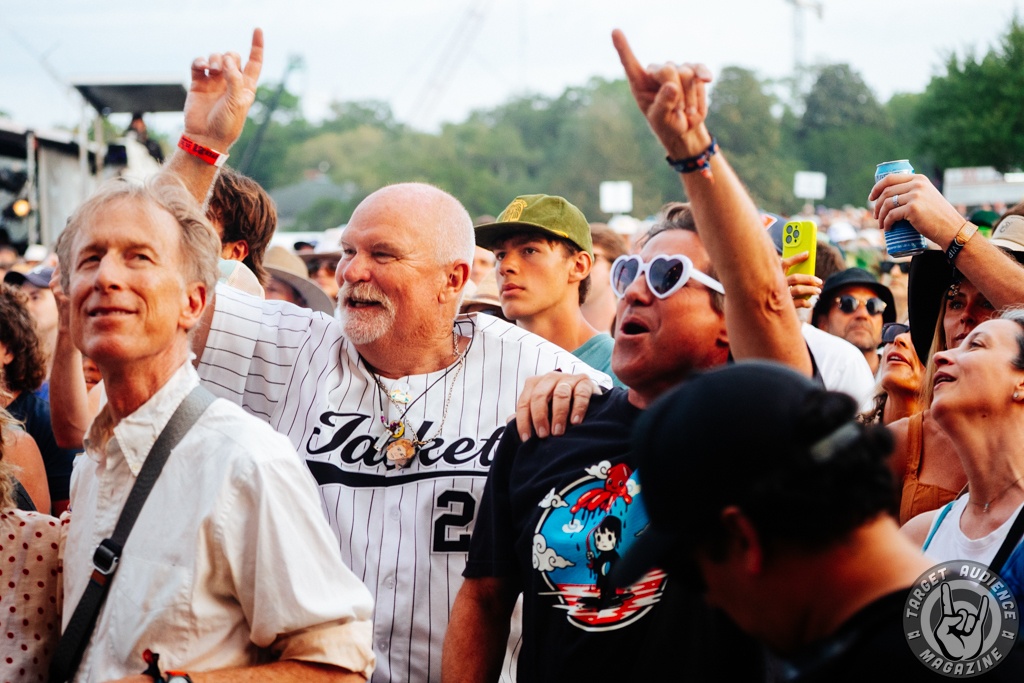
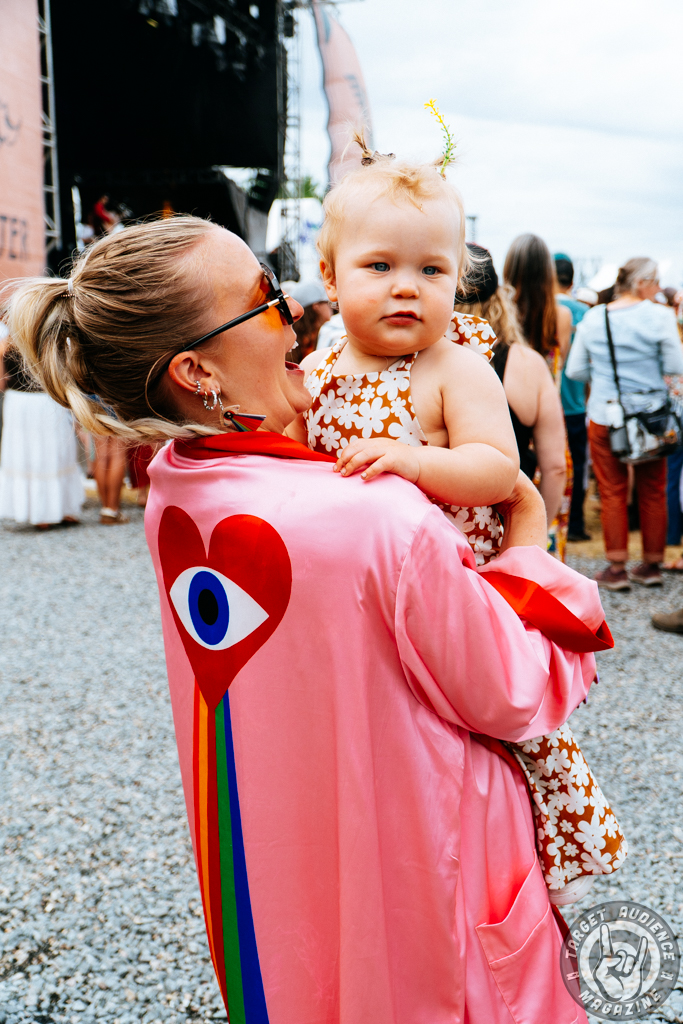
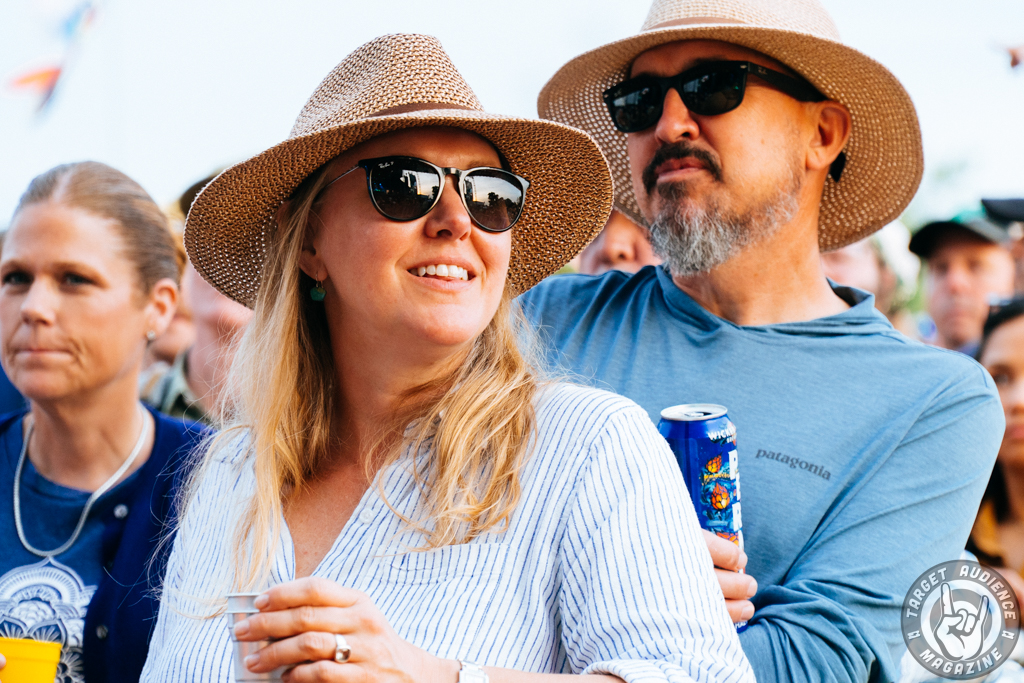
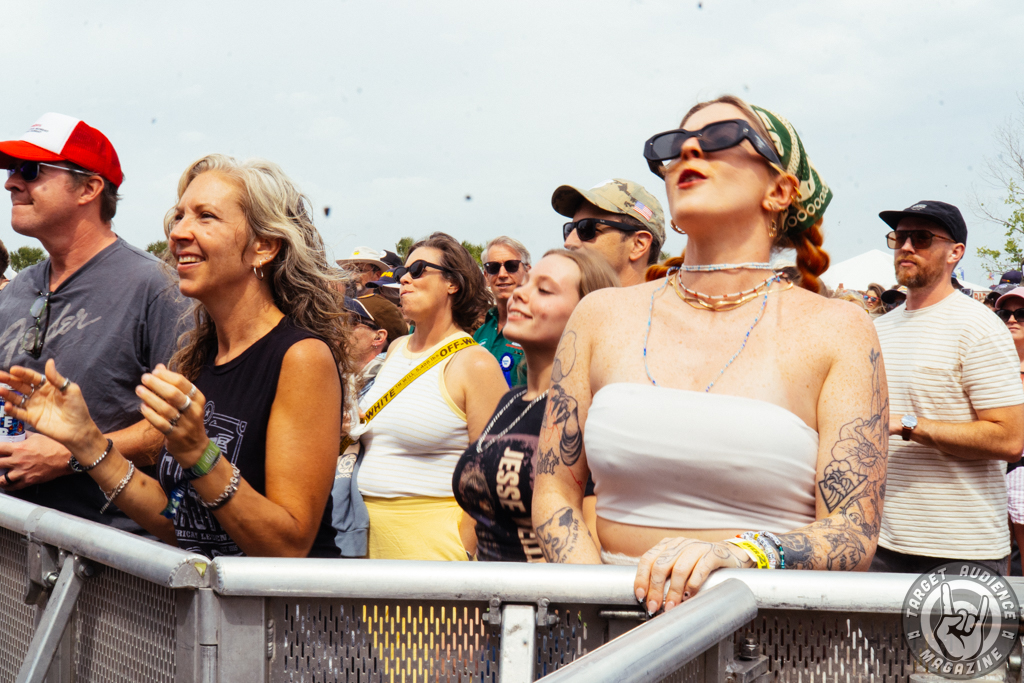
Saturday leaned fully into the warmth and freedom of the weekend. The sun hung heavy over the river as crowds moved between the Stono and Edisto stages with drinks in hand, blankets spread across the grass, and children weaving through groups of college kids and longtime music fans alike. High Water’s crowd was one of its strongest features — genuinely multi-generational and welcoming. It never felt dominated by one scene or demographic. Instead, it felt like people gathering for the simple purpose of being together and hearing music they loved.
The festival’s lineup was thoughtfully curated without feeling predictable. Rather than attempting to overwhelm audiences with sheer volume or genre chaos, High Water leaned into cohesion. Folk, indie rock, Americana, soul, and alternative music blended naturally across the weekend, creating a soundtrack that matched the atmosphere surrounding it.
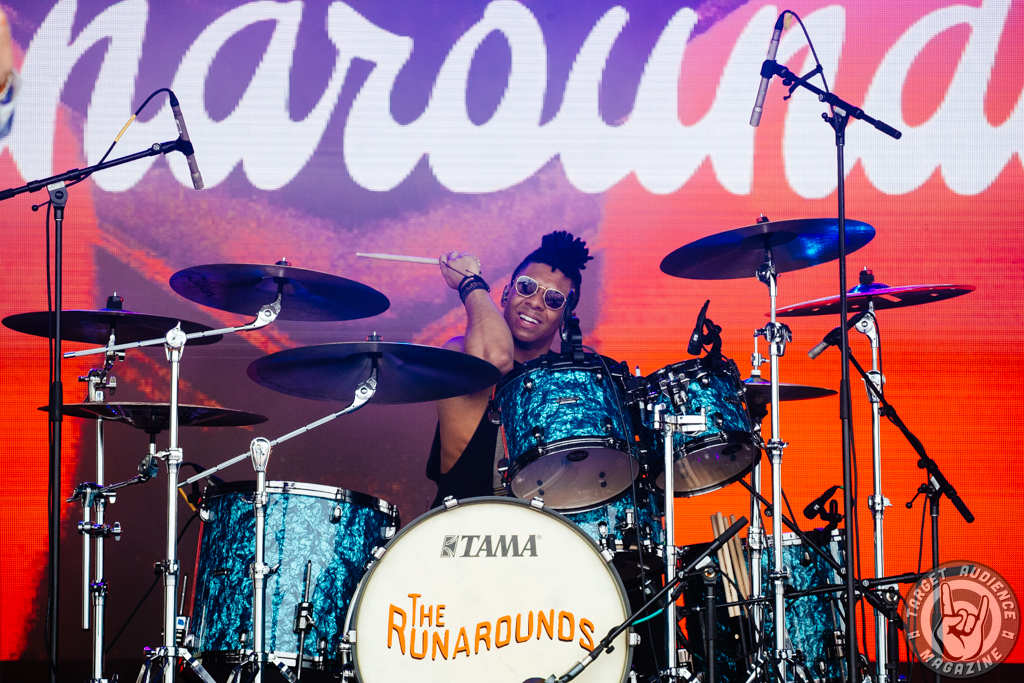
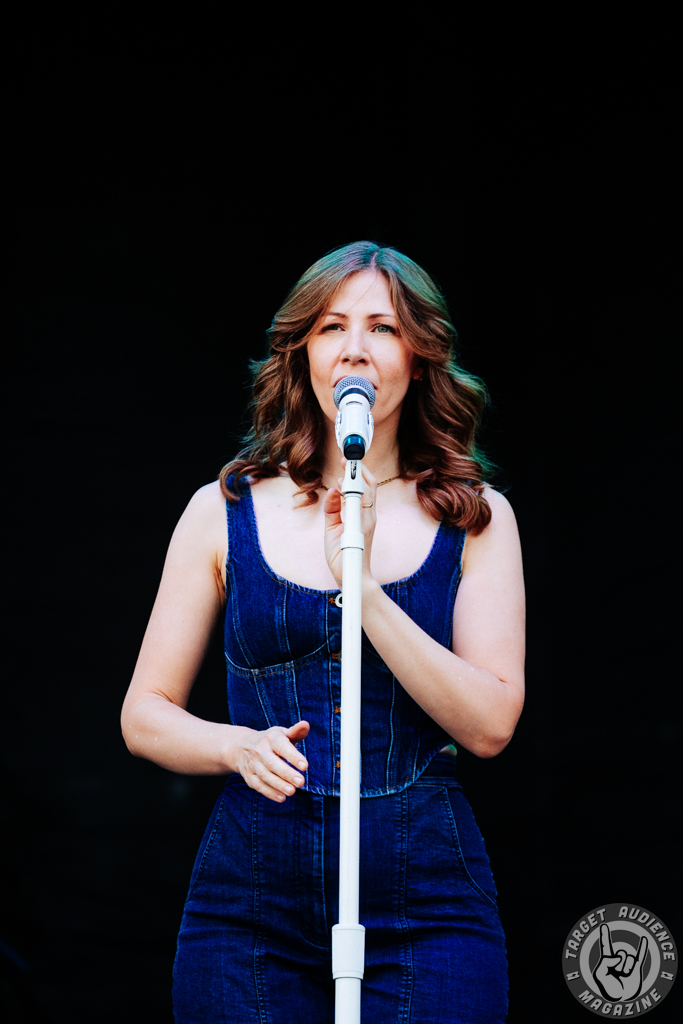
Trousdale kicked off Saturday with infectious energy that immediately set the tone for the day. Their chemistry onstage translated effortlessly into the crowd, while The Runarounds proved themselves to be far more than a band attached to an Amazon series. Their musicianship felt authentic and lived-in, making their set one of the weekend’s early surprises.
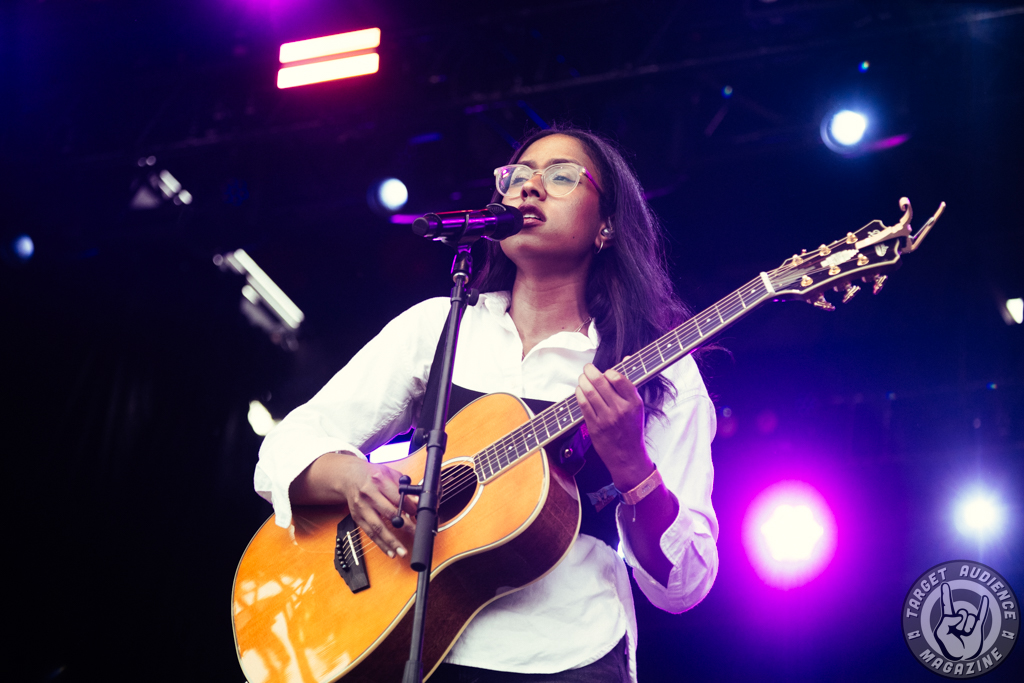
Arcy Drive quickly emerged as one of the festival’s standout discoveries. Their stage presence was magnetic, the kind that pulls people in even if they’ve never heard a single song beforehand. They carried themselves with a confidence and energy that made their set feel bigger than its runtime.
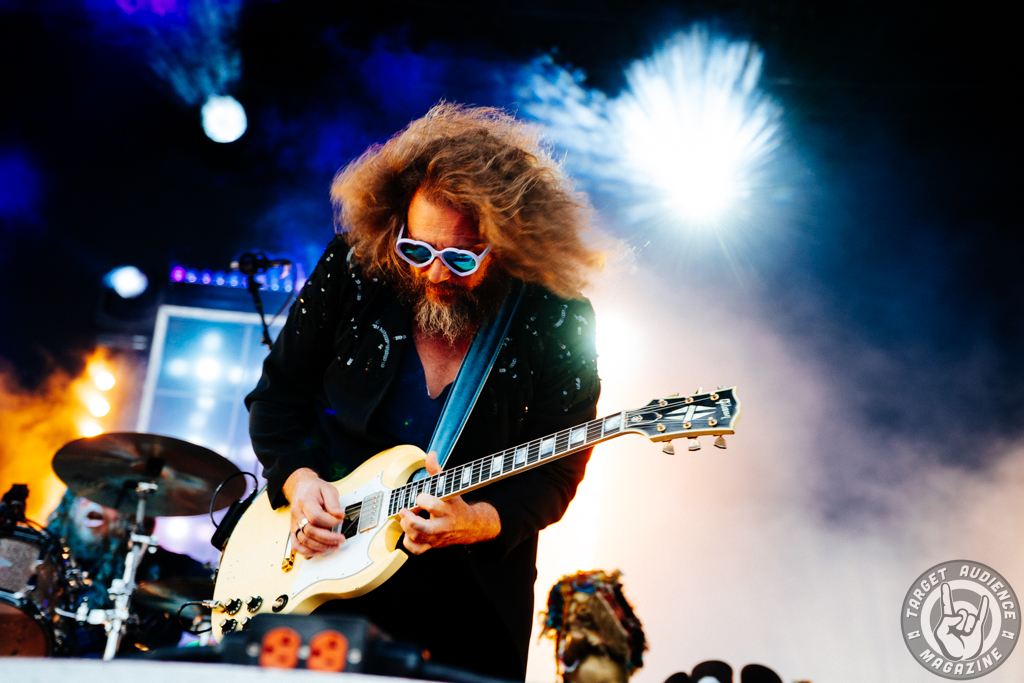
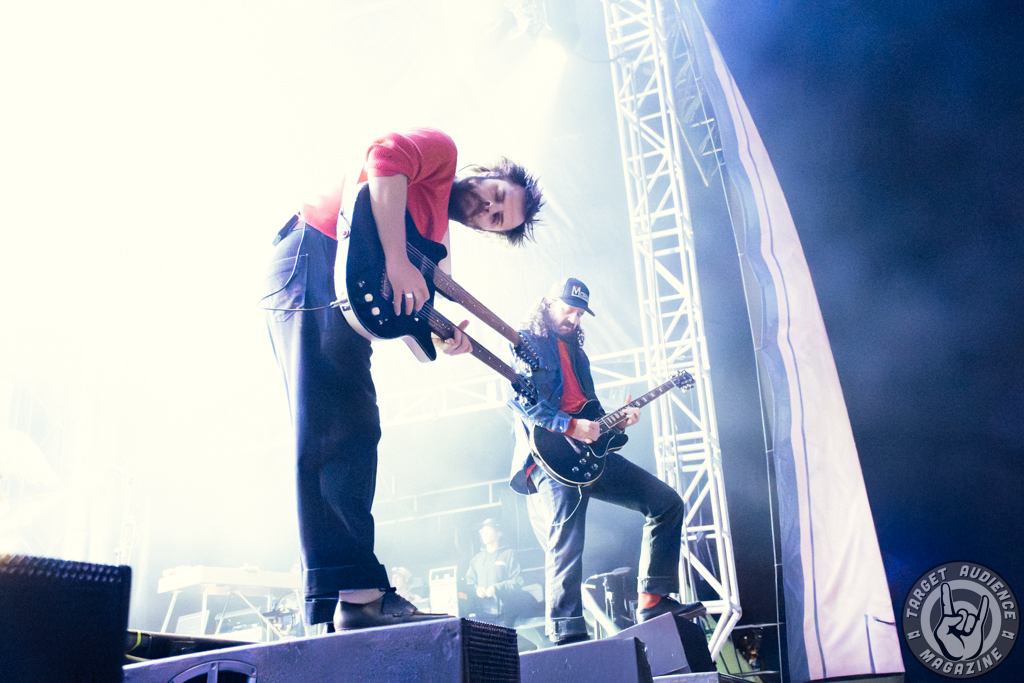
As the sun began to dip lower, My Morning Jacket delivered one of the weekend’s most electrifying performances. Longtime fans were rewarded with a set that felt both expansive and deeply immersive. There was something almost spiritual about hearing their music drift across the water as daylight slowly disappeared.
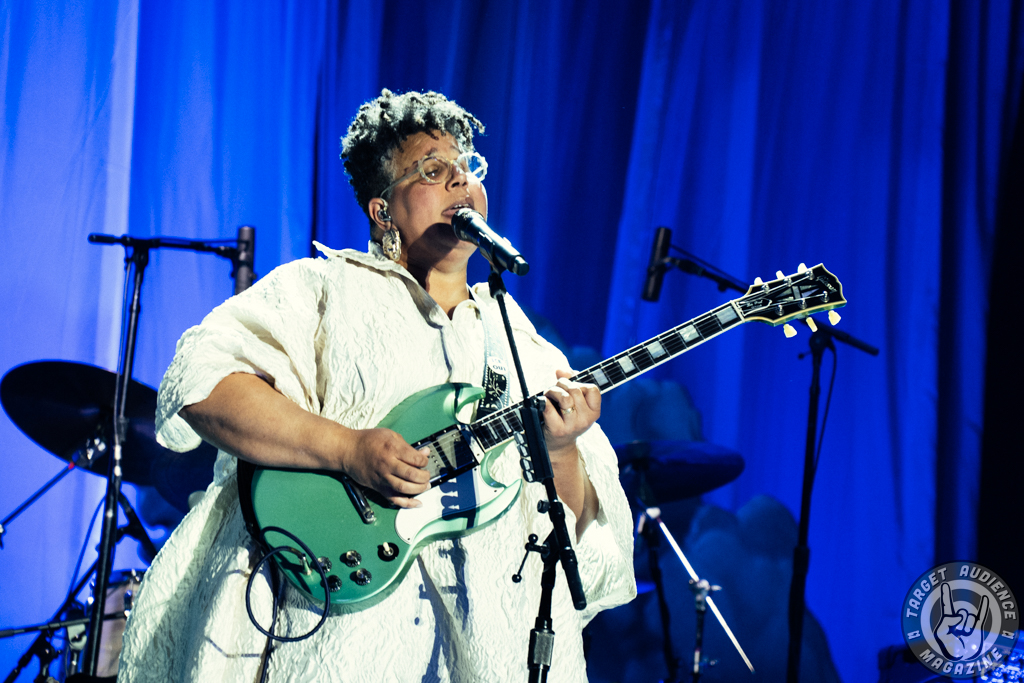
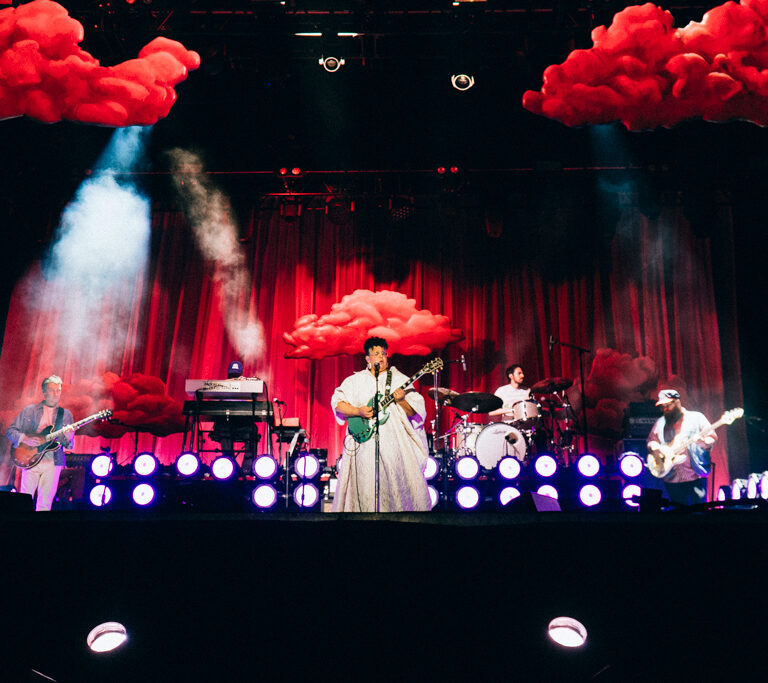
Then came Alabama Shakes, closing out Saturday night with a performance that justified every ounce of anticipation surrounding it. The crowd was absolutely rabid by the time they took the stage. For those seeing them live for the first time, it was impossible not to be overwhelmed by the sheer force of the performance. Brittany Howard commanded the stage with a presence that felt larger than the festival itself, turning Riverfront Park into something closer to revival than concert.
Sunday carried a different emotional weight entirely. The cooler weather, breeze off the water, and overcast skies transformed the atmosphere from carefree celebration into something more reflective. There was an unspoken understanding lingering over the grounds — the final day of freedom before everyone returned to work, responsibility, and reality Monday morning.
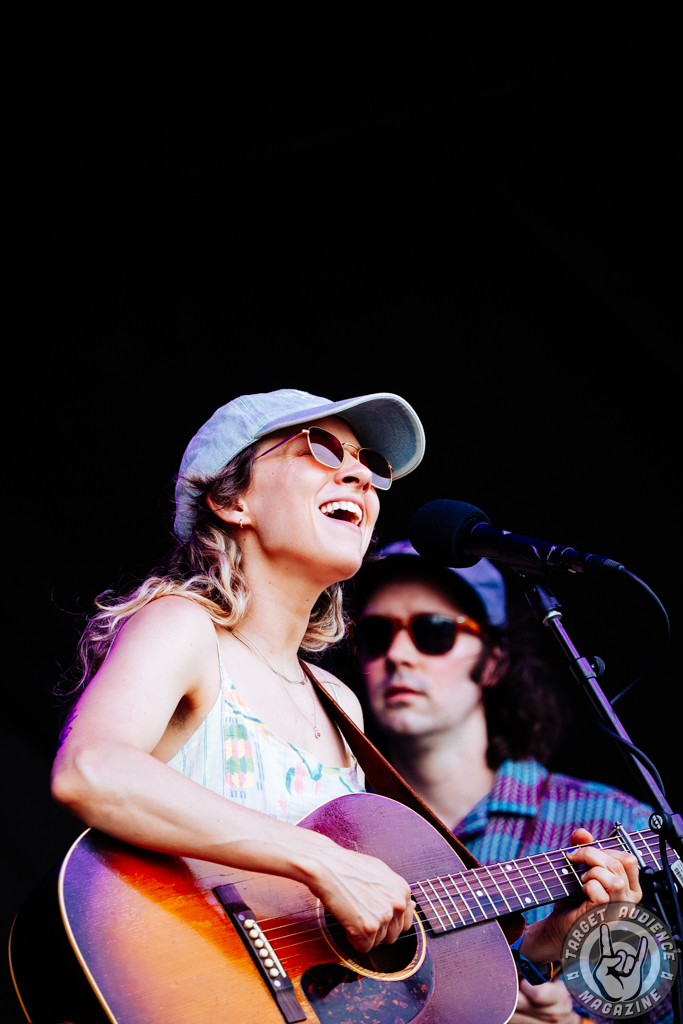
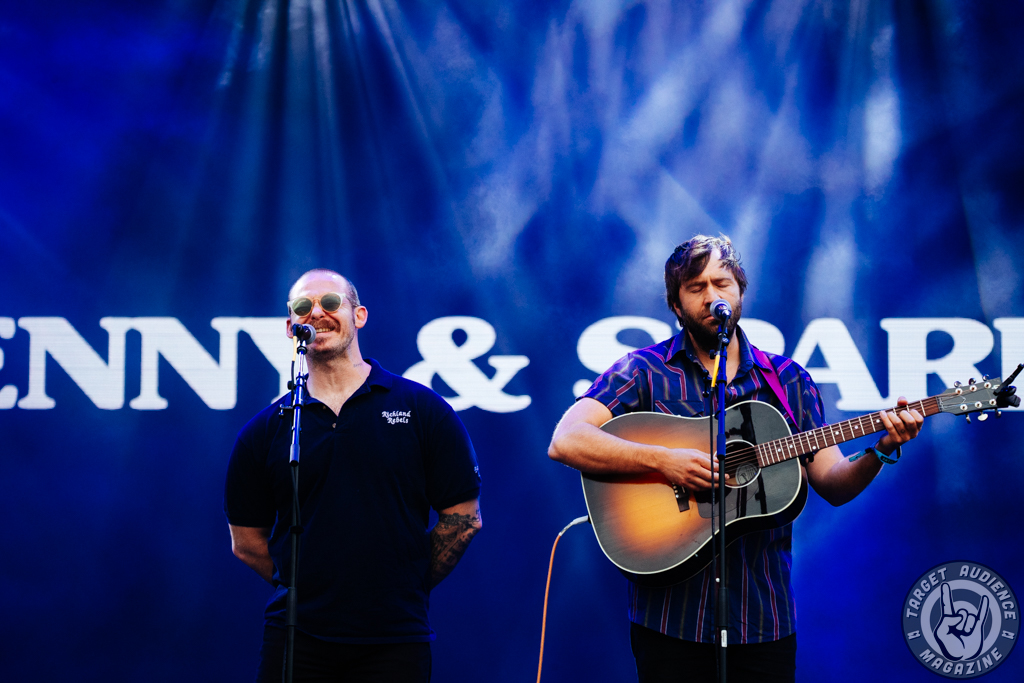
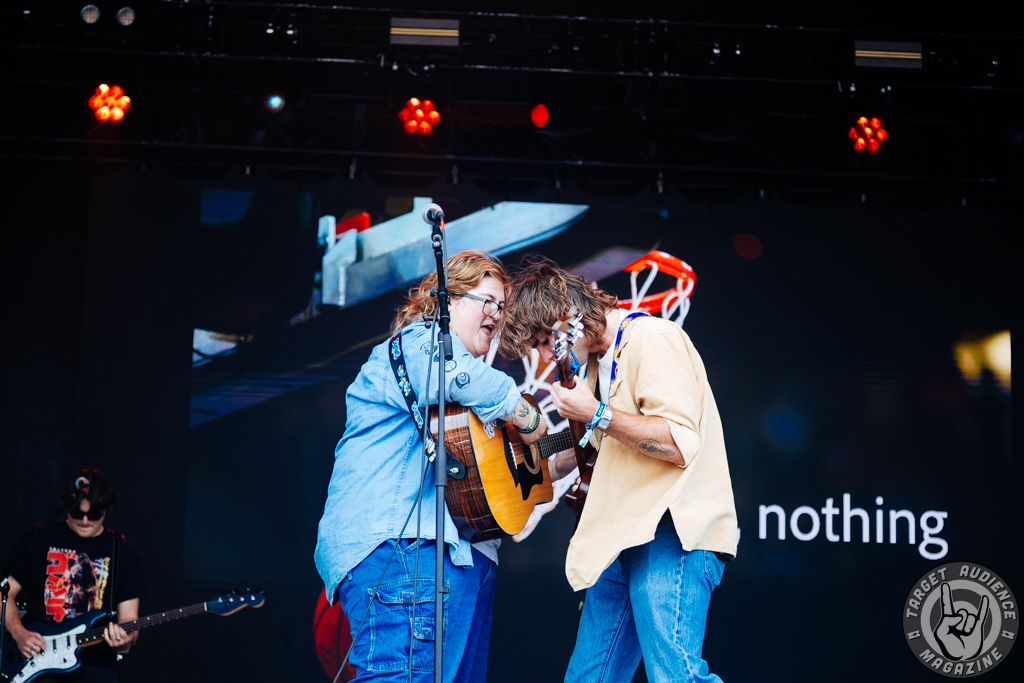
Penny and Sparrow brought warmth to the afternoon with a set that felt soulful, romantic, and unexpectedly hilarious thanks to their effortless banter between songs. Their performance embodied one of High Water’s greatest strengths: artists were given room to feel human onstage rather than simply rushing through festival sets.
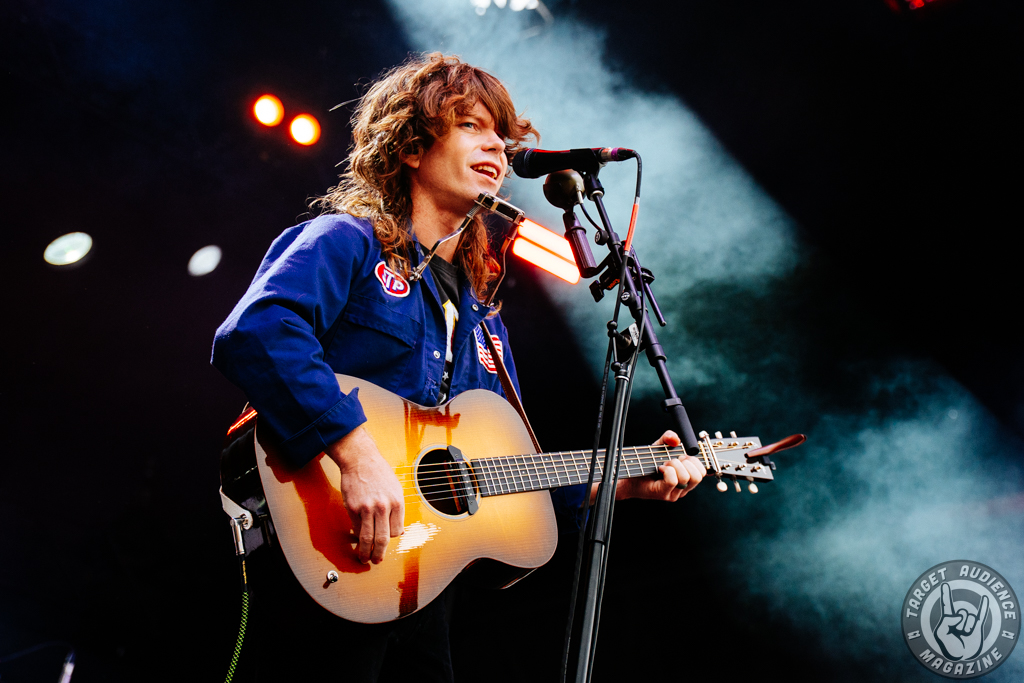
The defining moment of the weekend, however, belonged to Jesse Welles.
Before he even stepped onstage, there was already a noticeable buzz moving through the crowd. Then came silence — the kind charged with anticipation. Hearing songs like “Join Ice” performed live while hundreds of voices sang back every word with genuine intensity became one of those rare festival moments that transcends entertainment entirely. It felt urgent, emotional, and deeply alive.
What made Welles’ set particularly striking was how politically and emotionally direct it felt without losing its humanity. In a cultural moment where younger generations are increasingly vocal about fear, anger, exhaustion, and uncertainty, his performance landed with startling resonance. Even Sheryl Crow later acknowledging his set and the importance of young people using their voices added another layer of significance to the moment. His haunting cover of “Paranoid” only further cemented the performance as one of the festival’s most unforgettable.
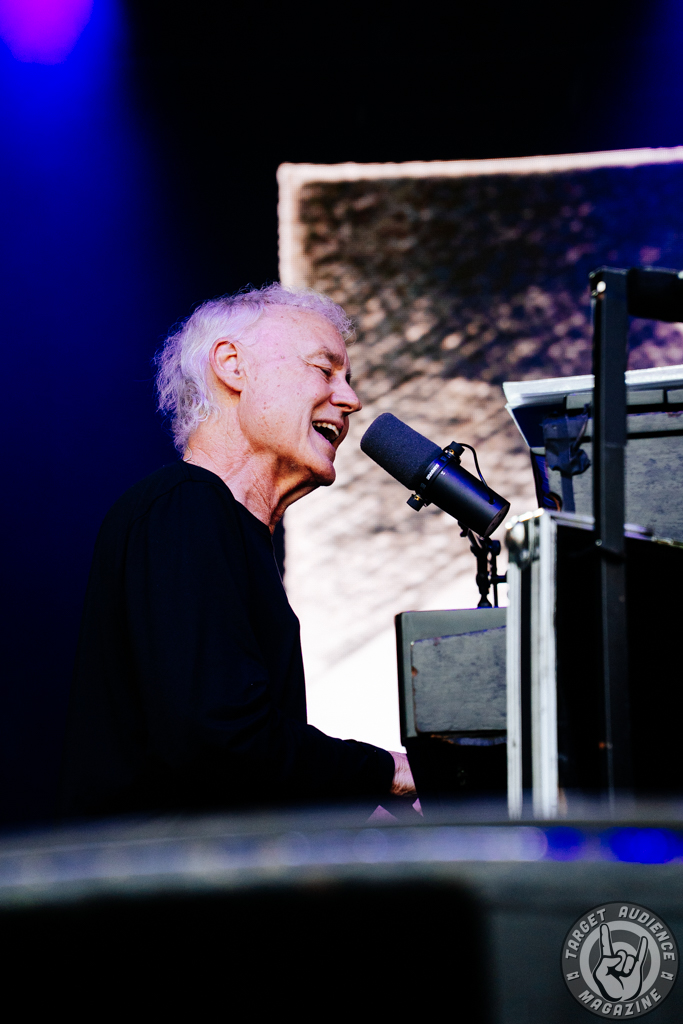
As sunset approached once again, Sheryl Crow delivered a set filled with both nostalgia and revelation. Hearing songs that defined childhood and adolescence through the perspective of adulthood gave them entirely new emotional weight. What may have once simply sounded catchy now carried sharpness, wisdom, and vulnerability that hit differently with older ears. Watching her perform against the Charleston waterfront during golden hour felt cinematic in the best possible way.
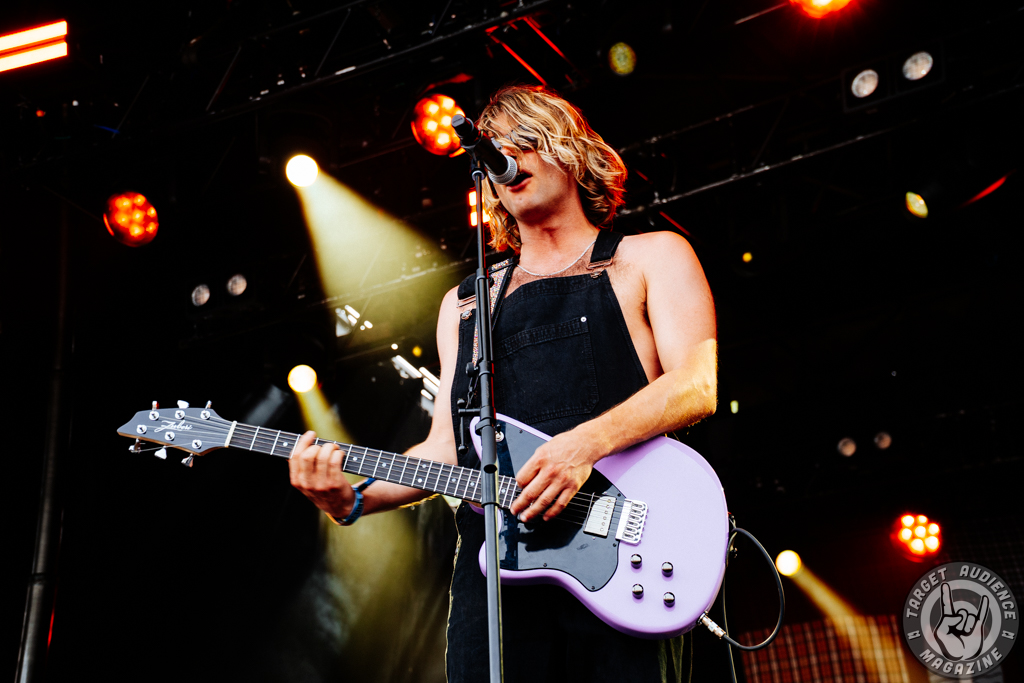
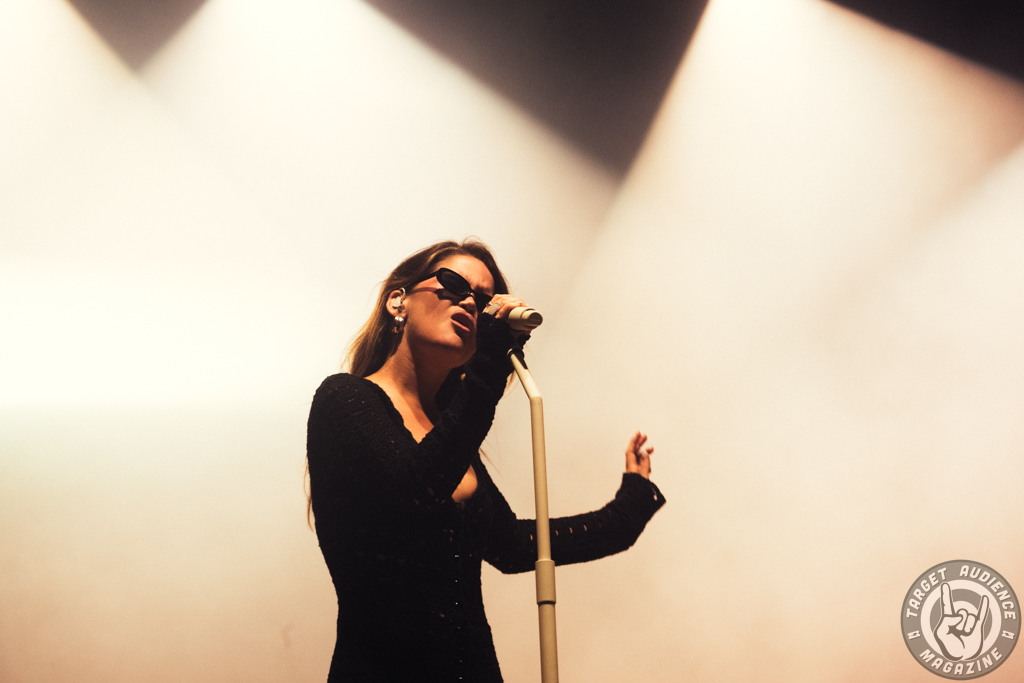
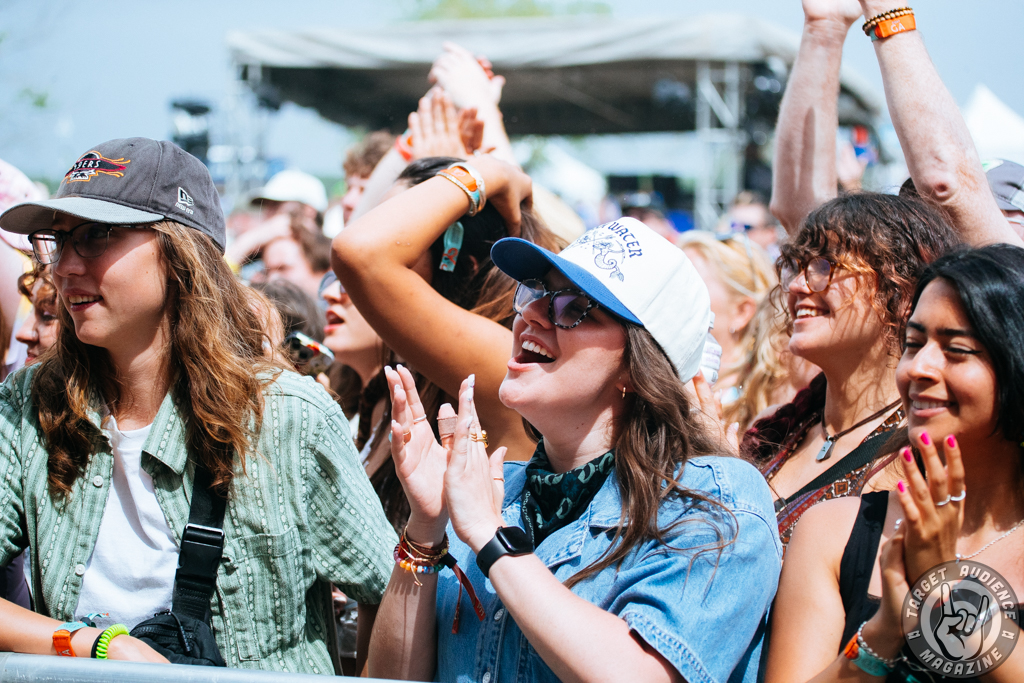
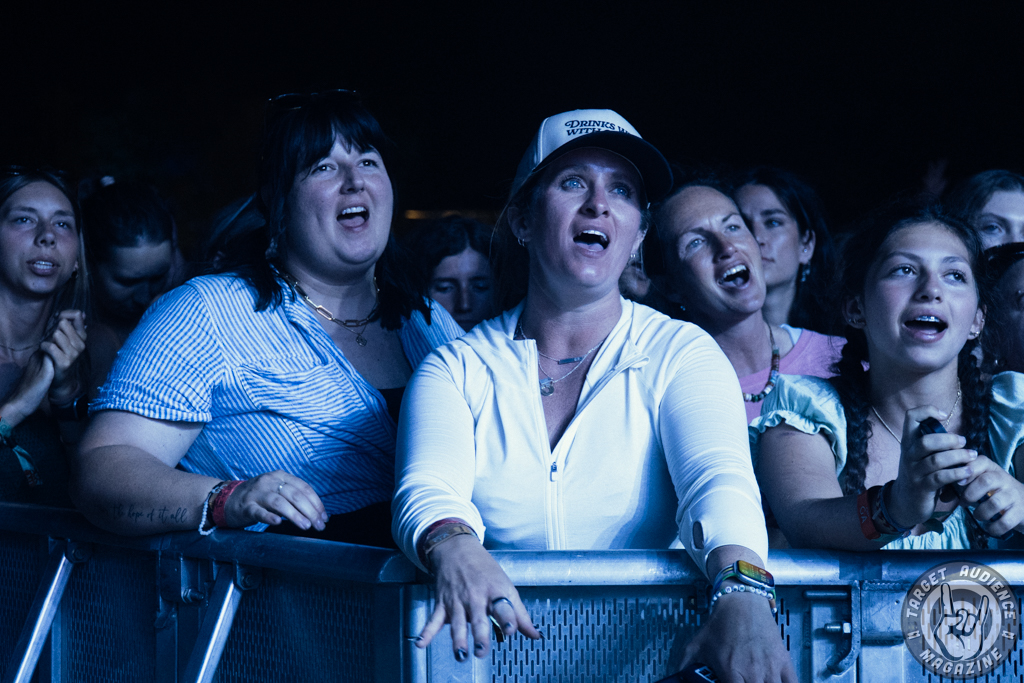
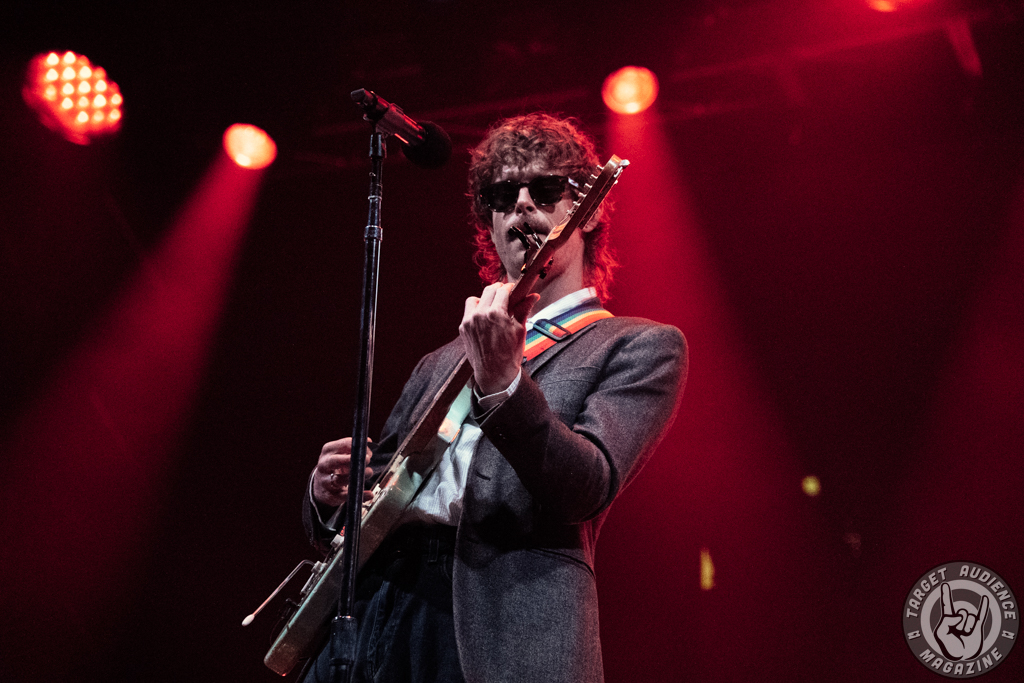
Peach Pit brought an entirely different energy later in the evening, with a stage presence that sent the crowd into a frenzy. Their fans packed tightly against the barricade, singing every word back with relentless enthusiasm. By the time Caamp closed out the festival Sunday night, exhaustion and contentment seemed to settle over the crowd simultaneously.
What ultimately makes High Water special is not simply its lineup or location, though both are exceptional. It’s the atmosphere of intentionality surrounding the festival. In a world increasingly defined by noise, outrage, algorithms, and endless distraction, High Water created space for people to slow down for a weekend and genuinely experience something together. That sense of community felt especially poignant against the backdrop of Charleston — a coastal city whose beauty exists alongside very real conversations about change, preservation, accessibility, and the uncertain future of waterfront spaces themselves.
For two days, though, people gathered by the water to sing, dance, reflect, and momentarily feel less alone. And maybe that’s what festivals like High Water are really about in the first place.
Photos & Review: Stephanie Wells
Photos: James Byrnes